

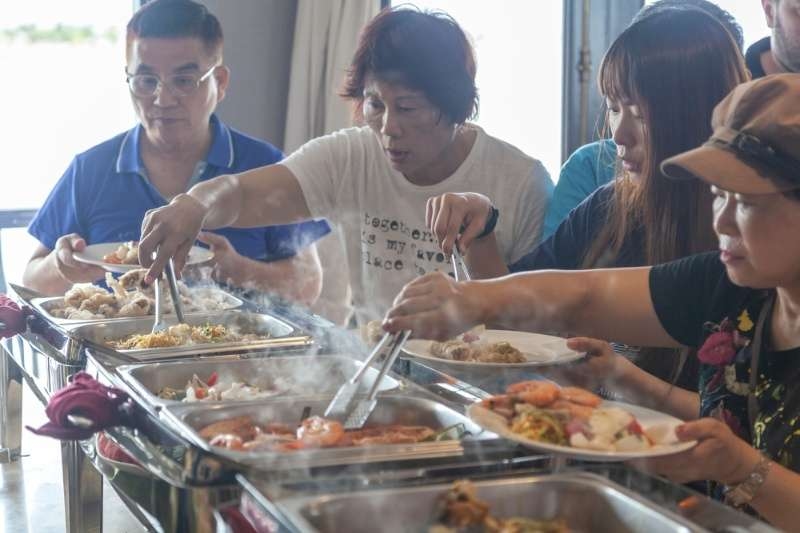
Cruise buffets are one of those places that can feel brilliant and overwhelming at the exact same time. There is variety everywhere, people are excited, someone is already building a plate like they have not eaten in three days, and lines seem to appear out of nowhere. Cruise lines know this too. Royal Caribbean says buffet peak hours are typically between 8:30 and 10:30 a.m. for breakfast and between 7 and 8 p.m. for dinner, which explains why the room can go from relaxed to mildly frantic pretty quickly.
That is why a few smart cruise buffet tips matter. Not because the buffet is hard to use, but because timing and strategy make a bigger difference than people expect. A small tweak can mean shorter waits, hotter food, and a less annoying start to the meal.
The first mistake a lot of travelers make is going exactly when everyone else goes. Understandable, sure. Also, why do they end up circling for seats with a plate in their hands?
Royal Caribbean’s dining guidance says breakfast gets busiest from 8:30 to 10:30 a.m., and dinner often peaks from 7 to 8 p.m. Cruise Critic’s line-skipping advice also specifically mentions buffet lines as one of the most common cruise frustrations.
So one of the smartest cruise buffet hacks is simple: eat slightly earlier or slightly later than the crowd. It does not need to be dramatic. Even moving breakfast up or pushing lunch a bit later can change the whole experience.
If someone wants calmer buffet visits, the best time for cruise buffet meals is often just outside the obvious rush windows. On sea days, that might mean breakfast before the crowd fully wakes up or lunch a little after the first wave hits. On port days, timing can shift again because excursion schedules change how passengers move around the ship.
Royal Caribbean’s published peak windows make this pretty clear, and Norwegian’s own cruise-hacks article also warns travelers not to head straight to the main buffet on embarkation day because it gets crowded fast while other venues are often open too.
That is useful because buffet strategy starts before the plate. It starts with when someone walks in.
This is one of the easiest wins. On embarkation day, the buffet usually turns into the default first stop for a huge chunk of the ship. Norwegian’s cruise-hacks article says exactly that and recommends asking crew members or checking the daily program for other lunch venues open after boarding.
That is one of the better cruise food tricks because it removes stress before vacation mode even settles in. Instead of walking into the most crowded venue on the ship during the busiest first-day hour, travelers can often find a calmer casual restaurant, café, or another complimentary option.
Not glamorous. Very effective.
This sounds obvious, but vacation hunger makes people weird. They see the first hot item, panic slightly, and start loading up before they have seen the rest of the room.
A better move is to do one quick lap first. Cruise buffets often have stations that repeat some items and hide better options deeper inside. Norwegian’s dining pages and buffet descriptions highlight multiple stations, from carving areas to pasta and wok-style counters, which is a good reminder that the first tray is rarely the whole story.
This is where a smarter buffet strategy cruise ship travelers can use really helps. Survey first. Then choose. Otherwise people end up with a heavy plate and immediate regret when they discover something much better five minutes later.
Crowds tend to bunch up near the entrance. That is just how humans work in buffet spaces. People stop at the first food they see, and they sit in the first area that looks open.
Cruise Critic forum discussions are not formal policy guidance, so I would not treat them as rules, but they do reflect a very common onboard pattern: the farthest buffet sections are often quieter than the entrance area. That lines up with the general crowd-avoidance advice Cruise Critic gives in its line-skipping coverage.
So if someone wants to avoid buffet crowds cruise, one of the easiest tricks is simply to keep walking. Farther counters often have shorter lines, and farther seating areas are often easier to claim.
A lot of travelers treat the buffet as if it is the default answer for every casual meal. It is not. Royal Caribbean specifically says there are other dining options open during buffet peak times, listing venues like pizza, café spots, and grab-and-go counters on some ships. Norwegian’s dining pages also make it clear that its ships offer a buffet plus multiple complimentary dining venues.
That makes a huge difference. One of the best cruise buffet tips is knowing when not to use the buffet at all. If the line looks bad, the room feels loud, or the family is getting cranky, switching venues can save the mood fast.
The buffet is built for variety. People forget that and treat it like an all-or-nothing food mission. Then they end up with one huge plate of things they did not really want that much.
A smarter move is smaller rounds. Start light, try what looks good, then go back for what is actually worth repeating. Norwegian’s buffet and dining descriptions emphasize variety across stations and meal types, which is really the whole point of buffet eating on a cruise.
This is one of the most useful cruise buffet hacks because it helps travelers enjoy more options without immediately overcommitting. Also, it lowers the odds of wasting food, which is a nice side benefit.
Buffet patterns are not identical every day. On sea days, the buffet usually stays busy because more people are on board and floating around between activities. On port days, traffic can shift hard depending on excursion departures and reboarding times.
Royal Caribbean’s itinerary guidance shows how ships often have amenities open during embarkation and port transitions, which matters because guest movement drives dining congestion too.
That means good cruise deal strategies for food timing should adapt to the itinerary. Early excursion day? Breakfast can get crowded fast. Late return from port? Mid-afternoon may be calmer. It is less about one universal buffet rule and more about reading the day.
Cruise buffets are busy shared spaces. That is part of the fun, but it also means basic food-space manners matter. Use sanitizer or wash hands before eating, do not hover too aggressively over one station, and avoid crowding into the first line that forms just because everyone else did.
This is also one of the more underrated cruise food tricks: move with the room instead of fighting it. If one station is jammed, skip it and circle back later. Most buffet frustration comes from people insisting on doing the exact same thing at the exact same moment.
Cruise buffets do not need military-level planning. But a little thought helps. Go off-peak when possible. Skip the buffet on embarkation day if another venue is open. Walk the room first. Use far stations. Sit farther back. Try smaller plates. And remember that the buffet is there to make vacation easier, not more stressful.
That is really what buffet strategy cruise ship travelers should use. It comes down to that. Less crowd-following. More timing. More flexibility. More enjoying the fact that someone else made the food and someone else is washing the pans.
And honestly, that is already a pretty good deal.
Not always. Most cruise buffets follow set meal timings for breakfast, lunch, and dinner, though some ships may keep limited snack stations open between main service hours. It helps to check the daily schedule so travelers do not show up expecting a full spread and find only a smaller setup.
On many cruise lines, guests can carry certain buffet items back to their cabin, especially simple things like fruit, pastries, or coffee. Still, policies can vary by ship, so it is worth checking onboard rules. Hot meals and large plates are usually better enjoyed fresh in the dining area.
Yes, most cruise buffets include easy, familiar options for children each day. Things like pasta, bread, fruit, pizza, and simple desserts are usually easy to find. That makes the buffet a practical choice for families, especially when younger travelers are picky or do not want a long sit-down meal.
This content was created by AI