

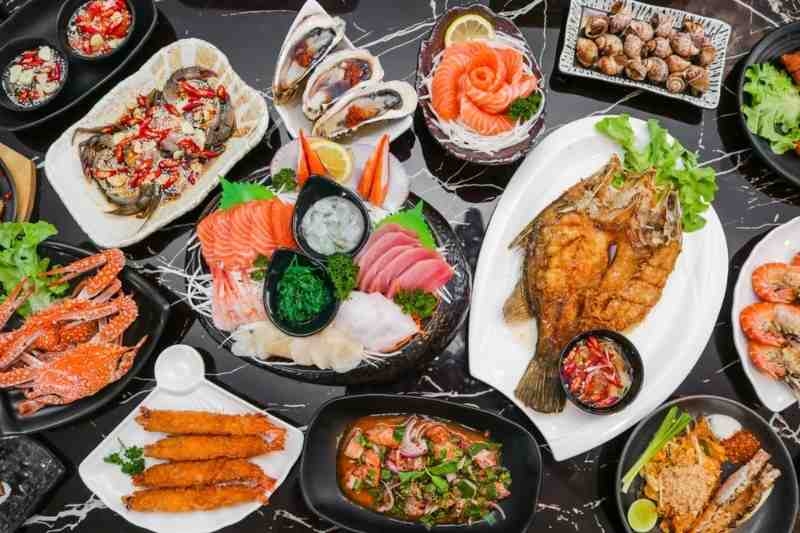
Cruise food used to be talked about in a pretty predictable way. Big buffets. Formal dining rooms. The occasional specialty steakhouse if someone felt fancy. That picture is getting old fast. Seatrade Cruise’s new 2026 Cruise Food & Beverage Trends Report says the industry is moving into a more creative, guest-focused era, with experiential dining and global flavor exploration emerging as the top priorities. In the survey behind the report, 80% of respondents pointed to experiential dining as a key trend.
That shift matters because food is no longer just one part of the cruise. It is becoming one of the reasons people choose a ship in the first place. And honestly, that makes sense. If a cruise line can surprise someone at the table, it usually leaves a bigger memory than another generic buffet lunch ever will.
The clearest change is this: cruise lines want meals to feel like experiences, not just scheduled eating. Seatrade’s 2026 report says immersive or themed dining is now one of the biggest priorities in cruise food and beverage, showing a move toward restaurants that blend cuisine with storytelling and entertainment.
That lines up with what travelers are already seeing onboard. Cruise Critic’s 2025 Best Dining Awards praised Celebrity Cruises for inventive specialty venues like Le Petit Chef, where the meal becomes part dinner and part performance.
This is a big part of cruise food trends right now. Travelers are not only asking, “Is the food good?” They are asking, “Does this feel memorable?” Big difference.
Cruise menus are also getting more international in a more deliberate way. Seatrade’s 2026 report says global flavor exploration is tied with experiential dining as a top industry priority. That means cruise lines are not just sprinkling in a token international dish and calling it variety. They are building entire concepts around regional cuisines.
Oceania is a good example. In December 2025, the line announced two all-new culinary concepts for its upcoming ship Oceania Sonata, including Nikkei Kitchen, focused on the fusion of Peruvian and Japanese flavors, and La Table par Maîtres Cuisiniers de France, a reservation-only French fine-dining experience.
That tells you a lot about the latest cruise dining trends. Cruise lines are leaning into specificity. Not “international night.” More like distinct culinary identities with a real point of view.
The luxury and premium side of cruise dining is also evolving. Oceania said in February 2025 that it was introducing more than 270 brand-new recipes in the Grand Dining Room on Allura, emphasizing refined flavors, modern techniques, and more elegant presentation.
Crystal is doing something similar. In February 2026, it announced an exclusive culinary voyage with the Alajmo brothers and noted that in 2025 they had already introduced reimagined menus at Osteria d’Ovidio aboard Crystal Serenity and Crystal Symphony.
So yes, one of the strongest new cruise food experiences is this steady push toward restaurant-quality, chef-driven dining that feels more intentional than the old “formal night” approach ever did.
Another major shift is that cruise dining is becoming more tied to place. Travelers are not only eating onboard. They are being fed a version of the destination through the menu itself.
Oceania’s 2026 specialty cruise programming includes destination-themed Chef’s Market Dinners, live cooking demonstrations, and culinary discussions tied to the places guests are visiting. Holland America is also leaning into destination-inspired gourmet experiences on its 2026 Grand Voyages through its Culinary Ambassador programming.
This is one of the smartest cruise culinary innovations because it makes the food feel less disconnected from the voyage. Instead of eating generic luxury dishes while sailing past somewhere fascinating, the meal starts joining the trip itself.
Cruise food is not only getting richer or more theatrical. It is also getting more health-conscious. Seatrade’s 2025 F&B trends report said a desire for healthy and nutritious food options was set to steer cruise culinary decisions through 2025 and 2026.
That does not mean the buffet suddenly turned into a retreat menu. It means travelers increasingly expect lighter choices, cleaner ingredients, and more flexibility around how they eat. Cruise lines know not everyone wants every meal to feel like an all-you-can-regret event. Some guests want indulgence, yes. Others want balance. Most want both depending on the day.
That is where modern cruise cuisine is getting more interesting. It is starting to recognize that wellness and pleasure can exist on the same ship without fighting each other.
Food-focused cruises are becoming more of a headline attraction, not just a nice extra. Oceania’s 2026 specialty cruises feature celebrated culinary figures, exclusive events, live demonstrations, and themed shore excursions. Holland America’s culinary ambassador sailings add chefs, beverage experts, and destination-inspired programming as major selling points.
This matters because one of the biggest food trends onboard ships is that dining is becoming part of the itinerary itself. The meal is no longer just what fills the space between ports. For some travelers, it is part of why they booked the sailing.
Cruise lines are also leaning harder into culinary prestige. Princess announced in October 2025 that Royal Princess had been named World’s Best Culinary Cruise Ship in the 2025 World Culinary Awards, highlighting its focus on fresh, locally inspired ingredients and culinary partnerships. Cruise Critic’s 2025 dining awards similarly praised Celebrity’s variety, inventiveness, and upscale specialty options.
This does not just create bragging rights. It changes guest expectations. If cruise lines are going to talk about awards, chef partnerships, raw bars, curated tasting menus, and globally inspired concepts, then the standard rises. And that is one of the more important cruise food trends too: dining is becoming a competitive differentiator, not just a basic amenity.
Not every trend is about fine dining and chef names. A quieter shift is happening in casual formats too. The broader Seatrade reporting and related F&B analysis suggest that guests increasingly like dining that feels casual, social, and easy to discover rather than rigidly scheduled.
That makes sense. Travelers want flexibility. They want quality, but they do not always want ceremony. A great noodle bar, fresh market-style counter, or open-kitchen casual venue can sometimes feel more modern than another white-tablecloth room that looks the same as it did ten years ago.
So when people talk about the latest cruise dining trends, it is not only about becoming fancier. It is also about becoming more fluid.
This wave of dining change is also being supported by new ship launches and big ship refreshes. Royal Caribbean’s October 2025 announcement for Legend of the Seas specifically said the new Icon Class ship would raise the bar with more dining spots when it debuts in July 2026. Seabourn is also rolling out new dining updates across its fleet through mid-2026, according to March 2026 coverage from Pavlus.
That matters because new ships give lines room to test new dining identities, expand venue count, and rethink what guests actually want at sea.
Put all of this together, and the message is pretty clear. Cruise dining is getting more immersive, more globally focused, more chef-driven, more destination-aware, and more flexible. It is also trying harder to serve different types of eaters, not just the “give me everything” buffet crowd.
That is really what new cruise food experiences, cruise culinary innovations, and modern cruise cuisine all point toward. A cruise meal is no longer only about volume or convenience. More and more, it is about identity.
And honestly, that is a good thing. A ship crossing oceans should not feel like it has one food personality copied into every room. It should feel alive. Curious. A little ambitious. Maybe even a bit indulgent in smarter ways.
Many cruise lines work with chefs, culinary teams, and guest feedback data before rolling out dishes widely. They may test items on select sailings first.
Yes, they often do. Cruise lines may adjust flavors, portion styles, and dining concepts depending on the route, guest age groups, and travel preferences.
Yes, some cruises now feature guest chefs, tasting events, cooking demos, and food-themed sailings to attract travelers who care deeply about dining.
This content was created by AI