

Cruises are designed to feel easy. That is part of the appeal. You unpack once, meals appear, the ship feels like a floating resort, and after a few hours it is very easy to forget that thousands of people are sharing one moving environment at sea. The CDC’s Vessel Sanitation Program says cruise travel exposes passengers to new environments and high volumes of people, which can increase the risk of illness from contaminated food, water, or person-to-person contact. The U.S. State Department also tells travelers to review health, safety, and security guidance before departure so the trip stays smooth and secure.
That is why knowing a few solid cruise safety tips before boarding makes such a difference. Not because cruising is automatically dangerous. It usually is not. But because small prep steps matter more at sea, where help, replacement documents, or quick changes can be harder than they would be on land.
Good cruise safety starts before anyone even reaches the port. One of the biggest basics is documents. The U.S. State Department strongly recommends that all cruise passengers travel with a passport book, even when a cruise line or itinerary may not absolutely require one, because a passport book may be needed to fly home in an emergency. Its international travel checklist also says travelers should gather required travel documents, make multiple copies, keep copies separate from originals, and store photos of those documents on a phone.
That sounds boring. It is boring. Still important.
This is also where a proper cruise travel safety guide mindset helps. Check your passport expiration date early. Review visa or entry rules for every destination on the itinerary. Bring labeled medications and copies of prescriptions, because the State Department warns that some medicines legal in the United States may not be legal elsewhere.
Every traveler should take the muster drill seriously. Not politely seriously. Actually seriously.
CLIA says SOLAS rules require passenger musters and emergency instructions, and that these briefings must cover when and how to put on a lifejacket, what the emergency signals mean, where to muster, how passenger attendance is tracked, and what happens if the ship must be evacuated. CLIA also says member cruise lines treat pre-departure muster completion as a best practice.
So one of the best onboard safety tips cruise travelers can follow is simple: know your muster station, listen during the briefing, and do not treat it like background noise while thinking about dinner reservations. In a real emergency, those few minutes matter.
Ships are fun, but they are also crowded. The CDC says cruise travel creates illness risk through food, water, and especially person-to-person spread, with shared surfaces like handrails, elevator buttons, and utensils being part of the problem. It also says passengers should wash hands frequently or use hand sanitizer, and that anyone with respiratory virus symptoms should avoid travel until symptoms improve and fever has been gone for 24 hours without medication.
That is one of the most practical cruise emergency tips too, because health issues onboard can become disruptive fast. Wash hands before eating. Use sanitizer when needed. Be smart around buffet utensils. And if you start feeling seriously unwell, do not try to “push through it” and keep wandering around the ship like a vacation hero. That just makes things worse for everyone.
This one sounds almost silly until it matters. After boarding, travelers should walk the route from their cabin to the muster station and note the nearest stairwells and exits. In an emergency, people think less clearly than they imagine they will. A route that feels obvious in daylight can feel strangely confusing when alarms, crowds, or stress kick in.
CLIA notes that passengers are given emergency information covering where to muster, where lifejackets are located, and what additional safety information is available. Use that information. Do not just nod through it.
This is basic safe cruising advice, but it is the kind that tends to help because it reduces panic before panic has a chance to start.
Cruise safety is not only about storms and drills. It is also about regular security habits. Ships are generally controlled environments, but they are still full of strangers, busy hallways, and distracted travelers.
So one of the smarter cruise security tips is to keep valuables limited, use the cabin safe for passports and backup cards when practical, and treat your cruise card, room access, and onboard spending account like you would any other payment tool. Do not leave phones, wallets, or jewelry lying around because “everyone on the ship seems nice.” Most people probably are. That is not really the point.
The State Department’s travel checklist also recommends carrying copies of key documents separately from originals, which helps if something gets lost or stolen while traveling.
A lot of cruise travelers relax once they get off the ship, which is funny because port days are often when more unpredictable situations show up. New city, tight timing, unfamiliar transport, tourist crowds, and sometimes different laws or health risks.
The State Department says STEP can help travelers receive security, weather, health, and travel advisory alerts from U.S. embassies or consulates while abroad. That is useful if the cruise stops internationally. Its general travel checklist also says travelers should review destination guidance, laws abroad, medicine and health rules, and travel insurance before the trip.
That is where cruise travel safety guide thinking extends beyond the ship itself. Know when you need to be back onboard. Carry the ship’s contact details and port information. Leave extra time. A shore day should not turn into a sprinting-through-port disaster story.
A ship has medical staff, but that does not mean travelers should board unprepared. The CDC’s Yellow Book says older travelers and people with significant medical conditions should review cruise plans with a healthcare provider, bring the medicines they need, and in some cases carry a copy of baseline medical information such as an electrocardiogram. It also recommends discussing vaccines, food and water precautions, and disease-specific needs before travel.
This is one of the most underrated cruise safety tips because people tend to focus on packing clothes and forget the health side until something goes wrong. Bring enough medication for the trip plus a little extra buffer. Keep it in original containers. And do not pack essential medicine in checked luggage or anything you cannot access quickly.
Nobody likes paying for a “maybe.” Still, cruise trips involve weather, medical care, missed connections, and international ports. The State Department’s international travel checklist specifically includes travel insurance in its safety planning resources. It also recommends STEP enrollment for emergency communication support.
This is part of smarter safe cruising advice because cruise disruptions can get expensive fast. A missed sailing, a medical visit, or a port-side problem is a lot less funny when there is no backup plan.
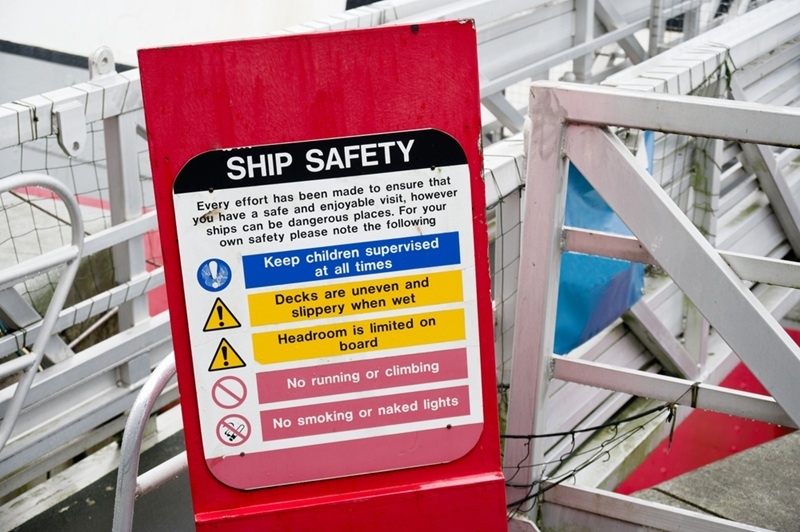
Some cruise safety advice is less official and more plain common sense. Do not sit on railings. Do not run on wet decks. Do not turn the pool area into a slapstick scene because the ship “felt stable.” And maybe most importantly, do not mix vacation-level drinking with zero situational awareness.
The CDC’s general travel injury guidance notes that injuries are a major travel risk, and cruise settings obviously include stairs, slick decks, balconies, and crowded public spaces.
This is where onboard safety tips cruise travelers should follow become pretty unglamorous, but very real. Most cruise problems are not dramatic maritime movie stuff. They are everyday preventable mistakes made in a relaxed environment.
The best thing about cruise safety is that it usually does not require paranoia. It mostly requires attention. Bring the right documents. Complete the muster drill. Wash hands. Respect the ship’s rules. Stay aware in port. Keep valuables secure. Prepare for health needs. Leave extra time. Drink water. Read the safety info instead of pretending future-you will somehow absorb it by osmosis.
That is really what solid cruise emergency tips and cruise security tips come down to. Small habits. Repeated quietly. The kind that feel minor until the moment they matter.
And that is probably the best way to think about it. Cruise safety is not about fear. It is about making sure the vacation stays a vacation.
Complete the muster drill and learn your muster station, evacuation signals, and lifejacket instructions. CLIA says these briefings are required and cover the core emergency procedures passengers need to know.
Yes. The U.S. State Department strongly recommends that all cruise passengers travel with a passport book because it may be needed to fly home from abroad in an emergency.
The CDC recommends frequent handwashing or sanitizer use, avoiding travel while sick with respiratory symptoms, and being aware that cruise travel involves close contact with many other people and shared surfaces.
This content was created by AI